
Reading and Podcast Picks is a collection of what we’ve been reading and listening to over the last week or so about energy topics.

In addition to these R&P Picks, paid subscribers receive access to the full archives, Grid Roundups, and select episodes of the Energy Capital Podcast. Please subscribe today.
Energy agencies want more authority over Texas data centers | The Texas Tribune
The Public Utility Commission and ERCOT are asking lawmakers for more authority to regulate data centers, following the governor’s directive.
University of Texas energy researcher Joshua Rhodes said data centers are likely to be a central focus of the next legislative session.
“Data centers are not polling very favorably in public opinion,” he said. “And so it’ll be an indication that there will be some bills trying to inject some discipline into this market.”
Rhodes said there’s been a lot of discussion about how to prevent data centers from passing on the costs of new infrastructure to consumers, but state regulators are still fleshing out the specifics of concrete policies.
This Texas coal mine will soon be home to a 1.2GW solar farm | Canary Media
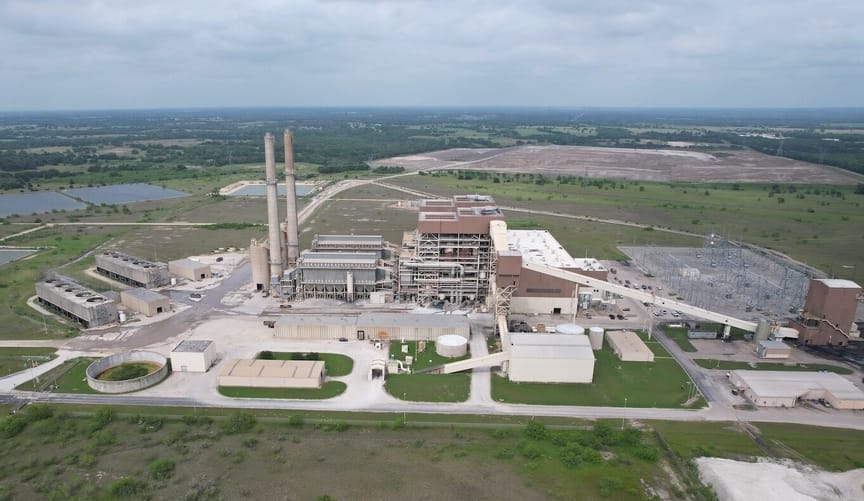
A new solar project has found a home in Bremond, Texas, at the Twin Oaks coal-fired power plant and Calvert coal mine. Panamint Capital, backed by KKR, acquired the coal plant in 2019 and announced last week it broke ground on the solar farm.
Panamint’s clean energy project will be among the largest in the nation — and, the developer claims, the biggest solar array ever built at a brownfield site in North America.
“We believe deploying new capacity at existing energy sites is the clearest way to benefit communities, ratepayers, and the environment alike,” said Apolka Totth, CEO of Panamint, a Nevada-based investment firm.
The giant installation will further boost Texas’ thriving solar sector, which this year is expected to generate more electricity than coal in the Lone Star State.
