
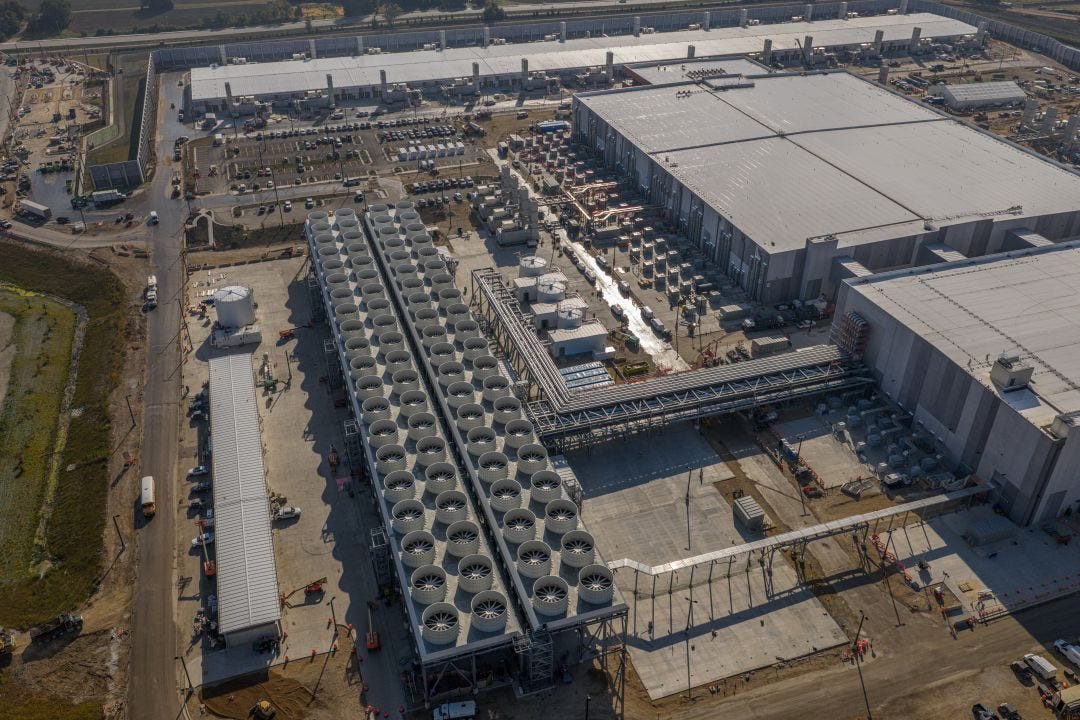
To most observers, the situation before us is that AI will increase electricity demand at a pace we have never seen before. I see it slightly differently; Artificial intelligence demand will change the fundamental behavioral physics of the grid itself. And Texas, ever at the forefront, is a bellwether for the challenges most grids will face in the future: managing software-driven, high-frequency loads whose behavior can change faster than the traditional power market mechanisms were designed to handle.
I’ve spent the last 24 years in various roles within the power ecosystem working in the UK, Africa and the U.S. I’ve spent time as a systems engineer in a 1,000-megawatt combined cycle gas plant, as a product manager building power trading software products for said power station, as a founder selling customer acquisition and management software to retail electric providers, as a clean tech investor providing seed stage funding to early stage battery technology startups, and, most recently, as an innovation director at a 10 gigawatt independent power developer. At no point in my career have I seen changes in the physics of the grid as a result of the demand side.
