
Reading and Podcast Picks is a collection of what we’ve been reading and listening to over the last week or so about energy topics.

In addition to these R&P Picks, paid subscribers receive access to the full archives, Grid Roundups, and select episodes of the Energy Capital Podcast. Please become a subscriber today.
Texas’ power grid weathered another winter storm. Is it ready for the future ? | The Texas Tribune
The state’s first major winter storm of 2026 proved mostly drama-free, at least on the ERCOT grid. Temperatures weren’t as cold as expected. Demand didn’t get as high as projected. And on the morning that demand was peaking, a wave of electricity from Texas’s nation-leading battery resources actually helped drive down prices.
Renewables are faster and cheaper than other forms of generation, and as this winter storm showed, they’re lowering costs for Texas customers.
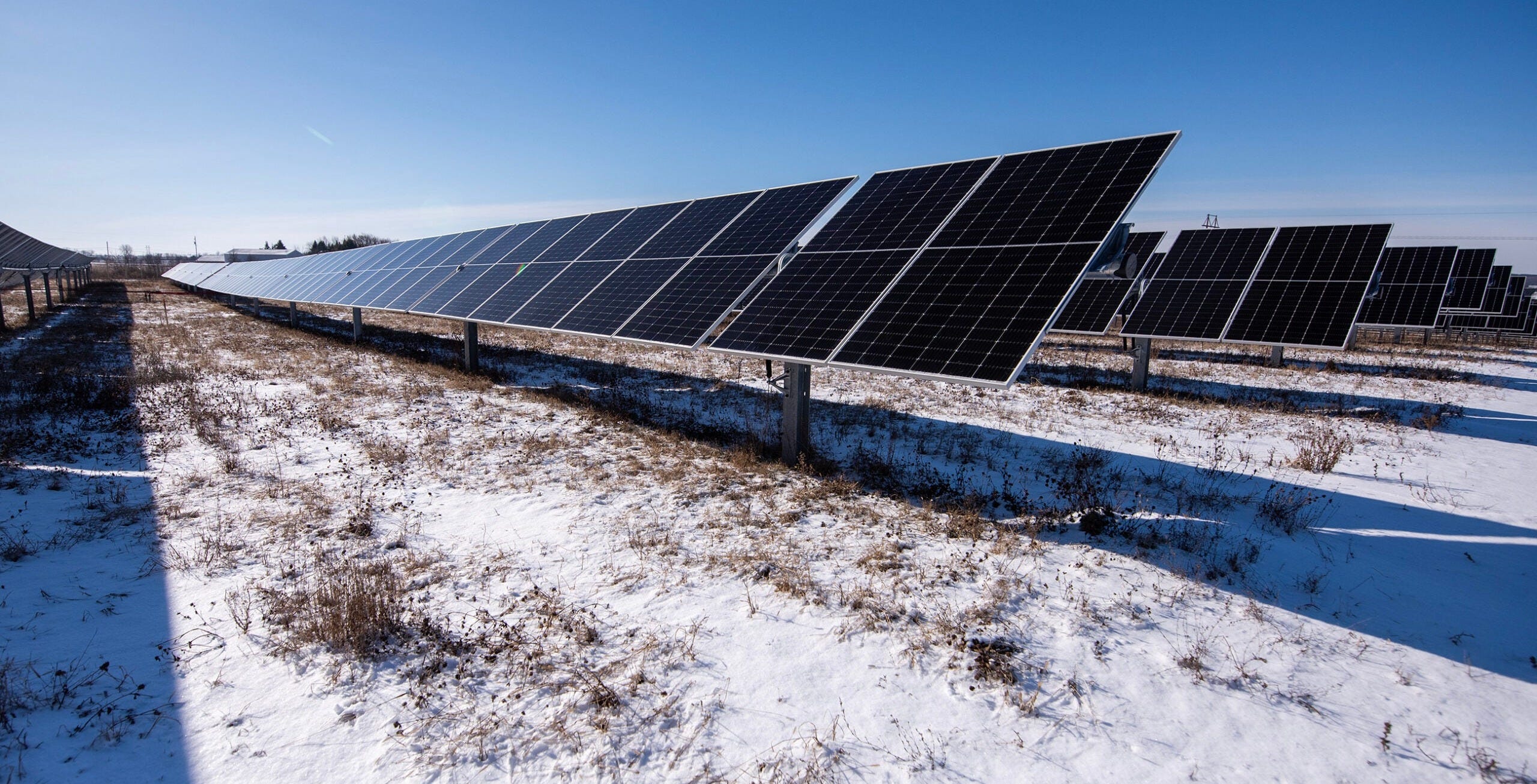
The grid’s stellar response offers a helpful benchmark as Texas approaches the fifth anniversary of Winter Storm Uri, the tragic freeze that killed hundreds of Texans and knocked out power for millions more. As this Texas Tribune story notes, the grid this year was “aided by a more diverse grid that got a boost from battery storage that did not exist in 2021 in any significant way.” It also notes that the state has added a massive amount of new generation in the last five years — most of it solar and batteries — and has required power plants to winterize.
But, as the article points out, there are bigger challenges ahead, especially in light of ERCOT’s skyrocketing demand forecasts:
ERCOT projects that peak demand could climb from about 87 gigawatts in 2025 to roughly 145 gigawatts by 2031.
Much of that growth is expected to come from large new users like data centers, cryptocurrency mining and other energy-intensive industries rather than population increases.
ERCOT reported in November that 5,302 megawatts of demand has been added to the grid from large data centers since 2022. Recent forecasts show data centers emerging as one of the fastest-growing sources of demand, rising to more than 24,000 megawatts by the end of the decade.
That surge is already reshaping how grid experts think about reliability. Matthew Boms, executive director of the Texas Advanced Energy Business Alliance, said the system has more tools than it did in 2021, but warned that those tools will be tested as demand accelerates.
“The real stress test is what happens as demand grows faster than infrastructure,” [Matt] Boms said. “We’re adding large loads very quickly, and the system will have to prove it can keep up.”
Cheapest way to strengthen Texas’ power grid already in our homes | San Antonio Express-News
A critical difference between this year’s freeze and 2021’s Winter Storm Uri was electricity demand — the peak last weekend, for a variety of reasons, was easier to meet than it was five years ago.
